The Quarterly is built around four standing departments, each tended by a single editor. Each updates roughly every other week, with one or two longer pieces saved for the print issue. Read where you find yourself drawn, then drift.
Slow agriculture, foraging, woodcraft, and the practical knowledge of staying outdoors longer than you'd planned. The department reads the year by week, not by season — the difference between the second-week-of-April light and the third-week-of-April light, what's beginning to sprout, when the first ferns unfurl.
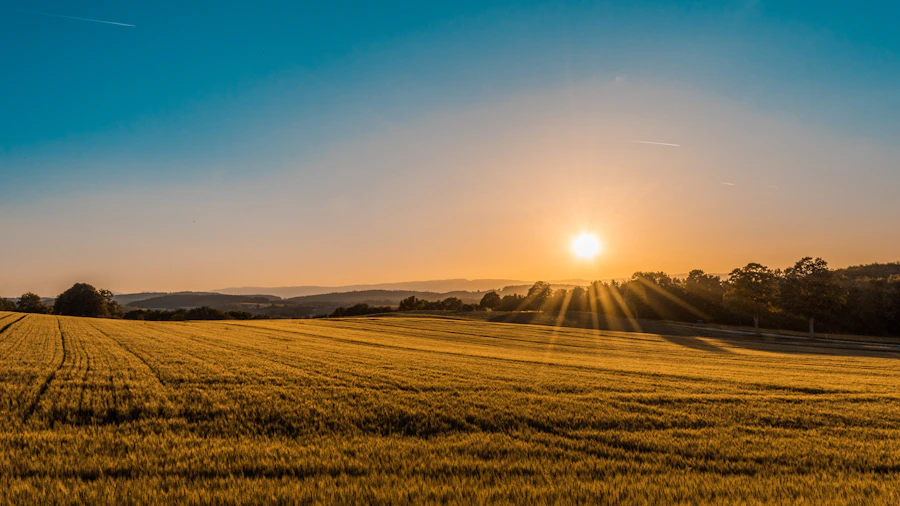
If you grew up in a place that has four real seasons, you know that the year is closer to twelve weeks than to four — that the first week of April is nothing like the third week of April, that mid-October has a particular quality of light that disappears by the end of the month, that the second weekend of February is when the chickadees start singing differently. We try to read the year on that timescale.
The pieces in this department are mostly field notes — short observations from one place over a long period, plus a handful of longer essays once a season. Marit has been writing the column from a thirty-acre piece of pasture in the Methow Valley since the third issue of the magazine.
If you're new here, start with "Notes from the March mud," which is on the front page right now, or with the column's most-emailed piece, "In praise of October light," from Volume X.
A column on making things by hand — clay, wood, fiber, leather, paper, glass, iron — and the surprisingly old technologies behind contemporary craft. We treat the workshop as a kind of writing room: the place where you find out what a material wants to become.
The Workshop is the longest-running department in the Quarterly — Lars wrote the first piece of it for the inaugural issue in spring 2014, and he's written one or two pieces a season since. The column is mostly about wood, because Lars is a woodworker, but there are extended detours into clay, leather, and copper.
What separates this department from the surrounding genre of craft writing is that Lars is suspicious of the language of mastery. Most of the pieces are about getting things wrong, or about choosing constraints — the seven hand tools, the one length of bench, the single species of wood used for a year — that make the work harder, slower, and more interesting.
Start with "Hand-tools, plain," which is in the current issue, or with the column's most beloved entry, "A barn raised in nine days," which won the Quarterly its only print-magazine award.
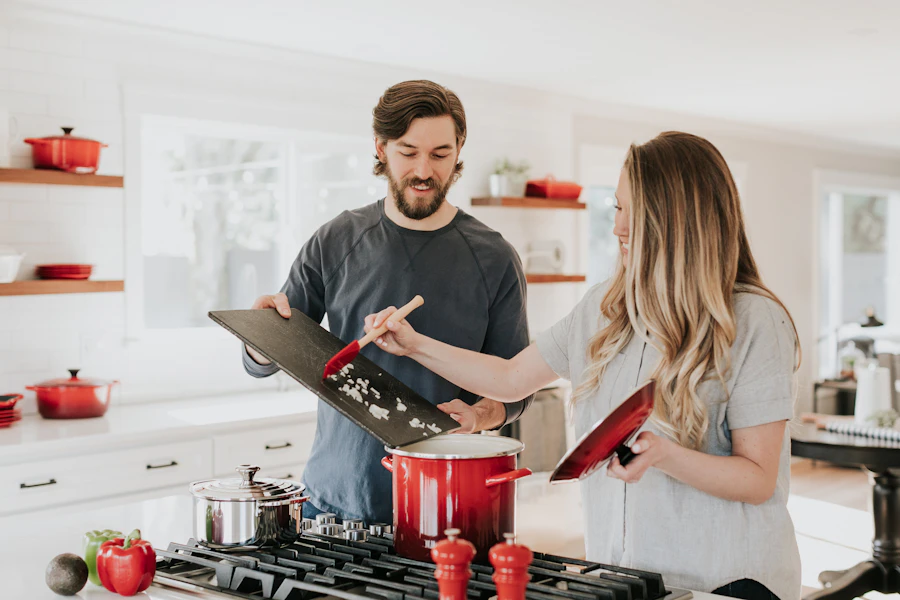
Recipes from the seasons, the home as a place to gather, and the rooms that hold a year's worth of weather. The largest department by volume, because Petra writes nearly every week — most often a recipe, sometimes an essay, occasionally a long correspondence with a reader.
Petra is the reason most readers find the Quarterly. She has been writing this column since the magazine's first issue, and a great many people subscribe specifically for her — the weeknight loaf, the cassoulet that takes a full day, the cured pork in the smokehouse, the eight-week sourdough culture, the blueberry galette that goes on the Quarterly's annual summer broadside.
The recipes in this department are written for actual home cooks. They assume an unfussy kitchen, ordinary tools, and a working week. They are tested at least four times each, usually more — often by readers who write in with results, photos, and revisions.
If you've never read this department, start with "The weeknight bread" in the current issue, or with the most-loved Hearth piece of all time, "The cassoulet, and the time it asks for," from Volume XII, Number ii.
Essays on the books we keep close — old field guides, novels of place, almanacs, regional histories, and the quiet shelves nobody else is curating. Henry writes one or two pieces a season, longer than what you'll find in the other departments, and slower-moving.
This is the smallest of the departments, by design. Henry was a rare-book librarian for twenty-two years before he retired and started writing for us; what he writes here is closer to literary criticism than to a book column, but with a particular interest in books about place — Sibley, Peterson, the Old Farmer's Almanac, John McPhee's geological work, regional novels and field guides nobody talks about anymore.
The department keeps a running annotated reading list, updated every solstice. We mail the winter-solstice book list to subscribers as a folded broadside; the rest of the year, you can read it freely online.
Start with "Old almanacs, new uses," or with the column's most-shared piece, "The almanac as literature," from 2018.
Subscribers receive a quarterly missive from each department editor — a short note on what they've been reading, growing, building, or cooking, and what's coming in the next print issue. Free, mailed in, no tracking.