SERVICES · Six core protocolsYour BusinessWorkers' comp + most PPOs accepted
// What we do · 6 protocols

Six tools.
Used in combination.

The treatment plan is rarely just an adjustment. We layer manual therapy, soft-tissue work, needling, and corrective exercise into a six-week protocol that has the same shape across most conditions but different content for each.

01 · Adjustment 02 · Soft tissue 03 · Dry needling 04 · ART 05 · Rehab 06 · Performance
01

Spinal & extremity
adjustment.

High-velocity, low-amplitude manipulation of the cervical, thoracic, lumbar spine and the peripheral joints — wrist, ankle, mid-foot, ribs.

Adjustment is a tool, not the goal. We use it to restore mechanical motion in a joint that is no longer moving the way it was built to move. It usually buys us a window of reduced pain in which to do the harder work — strengthening, soft tissue, neural retraining.

Not every patient gets adjusted. Some prefer instrument-assisted (Activator), some prefer drop-table, some have contraindications and we work entirely with soft tissue. We will ask, and we will adapt.

~3 minAdjustment portion of visit
4 stylesDiversified, drop, Activator, Thompson
$0–135Included in standard visit
C5–C7 T6–T8 L4–L5
// Vertebral ref. — most-adjusted segments
02

Soft-tissue
therapy.

Manual and instrument-assisted (IASTM) work on muscle, fascia, and tendon. Less glamorous than adjustment, more often the thing that actually moves a stuck case.

Tight rotator cuff, overworked QL, plantar fascia that won't release, hamstring tendinopathy that loads on every stride — these are soft-tissue stories first. Adjustment alone won't unstick them.

Most sessions include 10–20 minutes of focused soft-tissue work, sometimes with our LMTs running parallel for the patients in active rehab. We use IASTM tools (Graston-style), cupping for deeper fascial layers, and plain hands more than anything.

10–20 minPer visit, when indicated
3 modalitiesManual, IASTM, cupping
2 LMTsOn staff for combined visits
// IASTM sessionSoft tissue therapy with instrument-assisted technique
03

Dry needling.
Trigger-points + neuro.

Filiform needles inserted into specific trigger points or motor end-plates in muscle. Often the fastest way to release a deeply locked muscle that manual work alone cannot reach.

Different from acupuncture in framework — we are not working with meridians. We are placing a needle into a hypertonic band of tissue and provoking a local twitch response, which resets the neuromuscular tone. Patients describe it as "ache, then release."

Common targets: psoas for stuck low backs, infraspinatus for shoulder impingement, soleus and posterior tibialis for runners, gluteus medius for IT-band syndrome.

10 minStandalone needling visit
~6 pointsAverage per session
+$30Add-on to a regular visit
// Trigger-point needlingDry needling treatment
04

Active Release
Technique (ART).

A patented soft-tissue protocol in which the practitioner applies tension to a specific tissue while the patient takes the joint through an active range of motion. Designed for adhesions and scar tissue.

Particularly effective for repetitive-strain conditions and for athletes who need a return-to-load timeline measured in weeks. Dr. Park is full-body certified; Dr. Reyes carries upper- and lower-extremity certification.

ART is not relaxing. It is targeted. The release happens in the half-second when the patient lengthens the muscle under the practitioner's contact. Most ART blocks are 15–20 minutes within a normal visit.

500+Protocols, full-body cert.
15–20 minPer visit, when used
2 of 3 docsART-certified
// ART · upper extremityActive Release Technique on athlete
05

Rehab + corrective
exercise.

The phase most clinics under-deliver. Adjustments and soft tissue calm the system; rehab and load is what makes the change durable.

Every patient gets a written home-exercise program with no more than four movements at a time. We progress it weekly. We use the rehab gym in-clinic for the loading phase — strength under fatigue, sport-specific reload, plyometrics if appropriate.

The HEP (home exercise program) is delivered by app with video, and we ask patients to log adherence. Compliance with HEP is the single biggest predictor of how many visits a case takes.

4 movesMax in any HEP
3×/weekTarget home practice
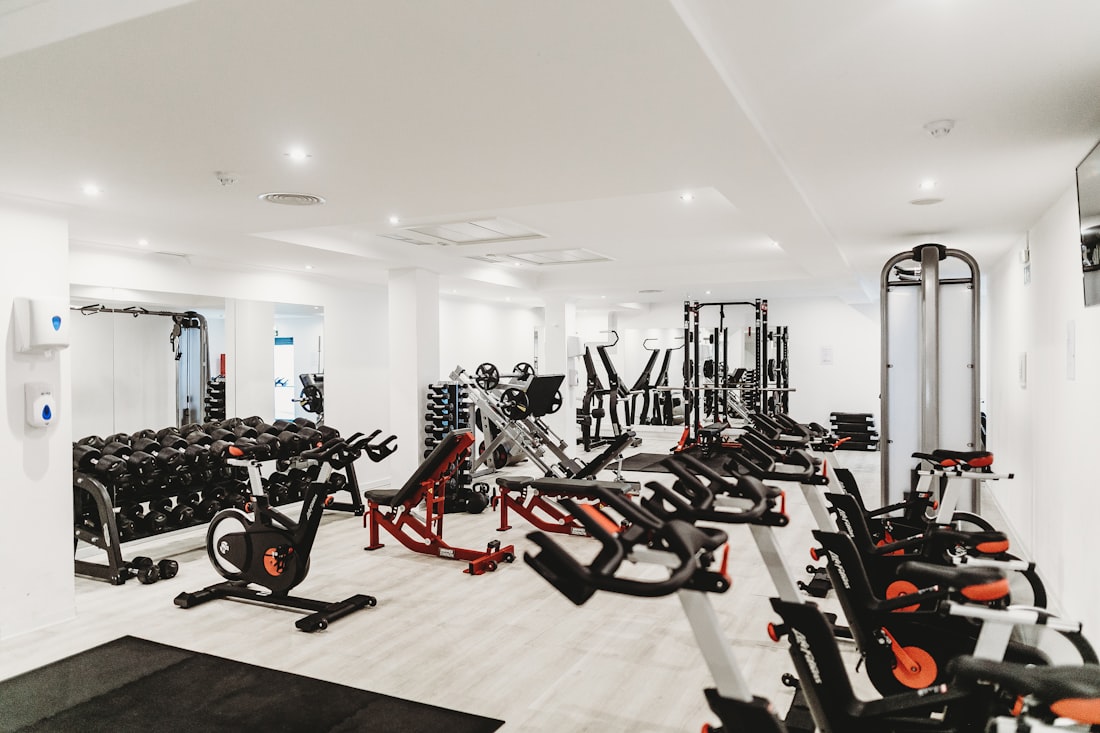
900 sqftRehab gym in-clinic
// Rehab gymRehab exercise space with kettlebells and bands
06

Sports performance
+ movement screen.

For patients who are not injured but want a baseline movement audit and a plan to keep them out of our injury chair. Forty-five minutes, gait video, mobility benchmarks, written report.

We screen using a modified FMS plus three sport-specific tests. The deliverable is a one-page report with three priority movements to add to your routine and any flags worth addressing. Many running-clinic graduates use this annually.

For team partners, this is the same screen we run pre-season — bulk-priced and delivered in the clinic or on-site. See the team partnerships page for that flow.

45 minStandalone screen
$185Including written report
1× / yrCommon cadence
// Gait video analysisAthlete during gait analysis on treadmill
// Visit fees

Honest pricing.
Per service.

We are out-of-network with most insurers but provide superbills with the right CPT codes. Most PPOs reimburse 40–70%. FSA and HSA cards run direct.
SVC
NAME
WHAT'S IN
PRICE
01
Initial visit
90 min · history, exam, imaging review, treatment, written plan
Adjustment, soft tissue, plan
$215
02
Follow-up
45 min · adjustment, soft tissue, rehab progression
Up to 2 modalities
$135
03
Follow-up + ART
60 min · adds 15–20 min Active Release block
Up to 3 modalities
$165
04
Dry-needling add-on
10 min add-on to any visit
~6 points avg.
+$30
05
Movement screen
45 min · standalone, includes 1-page written report
No treatment
$185
06
LMT 60 / 90
Soft-tissue session with one of our LMTs
Solo or with rehab
$120 / $170

Pick a body part.
We'll route you.

Most new patients arrive within 72 hours of booking. Workers' comp and auto-injury cases see same-day or next-day.

Begin body-map booking