For lots between half an acre and ten where most of the work is undoing the lawn. Slower than a planting bed but lower in long-term water and maintenance — and a meadow is where most of the wildlife on a property lives.
Most of the bigger lots we work on come to us with two to four acres of turf — water-thirsty, mowed weekly, ecologically dead. Replacing that lawn with a regional meadow is the highest-leverage change a property owner can make. After the establishment window (two or three growing seasons), a meadow asks for one mow per year. It runs on rainfall. It feeds birds, bees, beneficial insects, and the soil microbiome that makes everything else on the property work.
We design meadows in three regional palettes — Pacific Northwest dry-summer, Pacific Northwest wet-winter, and Northern California chaparral edge — each tuned to local rainfall, soil, and the specific pollinator guilds we want to support. Every plant on the seed mix is native to within 200 miles of the property.
The work below is what an engagement actually looks like, phase by phase.
Soil tests at six points, sun mapping, hydrology survey, invasive species inventory. We sit with the client and a local seed grower to agree on the regional palette before any drawing begins.
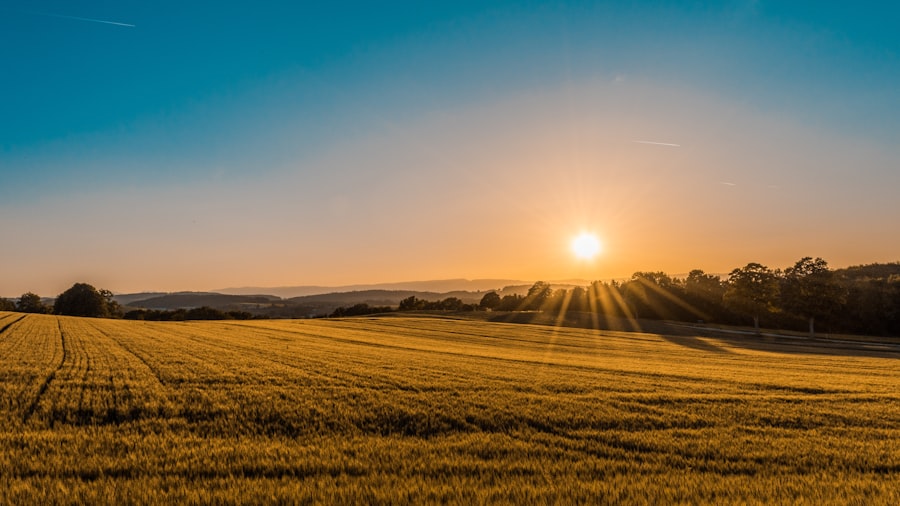
We almost always solarize rather than spray. Black plastic across the area for a full summer kills off the turf and most of the weed seed bank. Slow, but it leaves the soil microbiome intact for the meadow that comes next.

Seed mix is broadcast in fall. Structural plants — bunchgrasses, larger forbs — go in as plugs at 18–24" spacing. Plugs anchor the meadow visually for the first two seasons while the seed catches up.

We come back monthly through the first two growing seasons to spot-weed, fill gaps, and protect plugs from deer and rabbits. By spring of year three the meadow has closed canopy and the maintenance load drops to one mow per year.
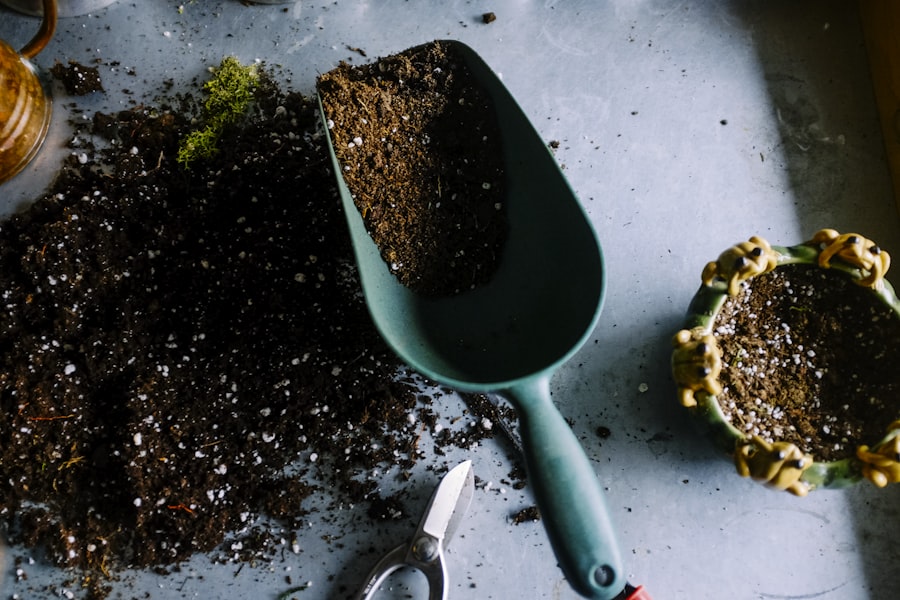
One late-winter mow, set high. We come out once a year to refresh structural plants, monitor invasives, and keep the seed mix evolving. Most of our meadows are still adding species in year ten.

We build three core mixes against the regions we work in. Each is roughly 40% bunchgrasses by mass, 50% forbs, and 10% structural sub-shrubs, with the species rotated to match local rainfall and soil.
The structural backbone. Cool-season natives that hold winter form, anchor the meadow through summer dormancy, and seed conservatively into adjacent beds.
Where most of the visual interest lives — yarrow, buckwheat, lupine, and a long bench of regional asters. Bloom sequenced from April through October to keep pollinators fed.
The slow-growing skeleton. Spaced loosely through the meadow as anchor points — visual rest, evergreen winter color, and habitat for ground-nesting birds.
"By the second summer it stopped looking like a project and started looking like a place."— R. Tomine, Salt Marsh House · Astoria
Two hours on the property, $420 visit fee, credited back if you book the meadow. We do not design meadows remotely.
Request a Site Visit →