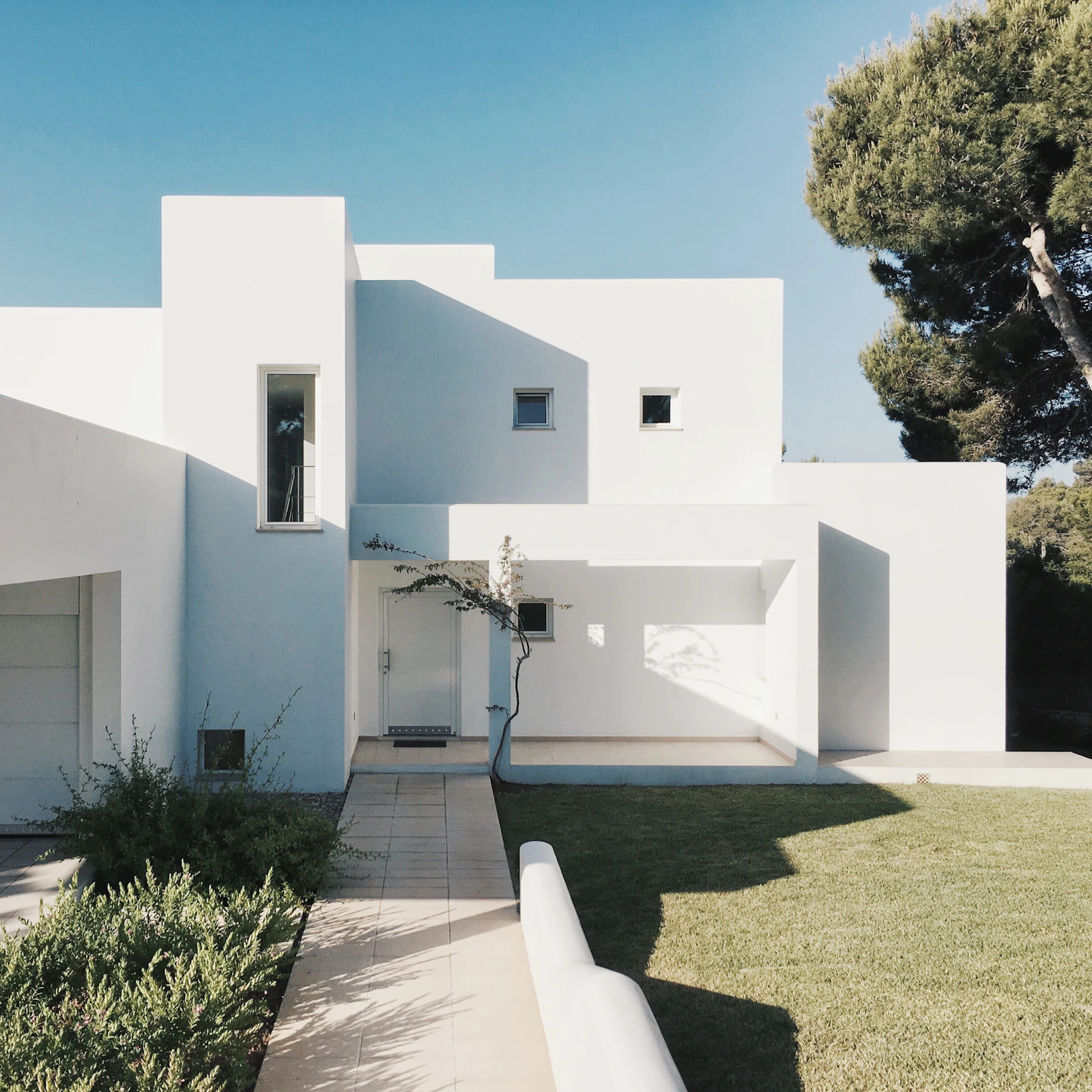
We turn down twice as many listings as we take. The ones we take, we sell at 99% of asking in fourteen median days. This page is the working process behind that — what we do, what we charge, and what we ask of you. No drip emails, no agent-of-the-week.
One of our four brokers comes to your house. We walk room by room, ask what's been done and when, and tell you straight if we think we should list it. About a third of the time we say no — the house isn't right for our portfolio, or the timing is off, or you'd be better served by a different firm. We'll always tell you who.
If we want to list, you get a five-page memo within seven days: comparable sales, our recommended list price with a defended range, anticipated days on market, and our suggested punch list of pre-list improvements. You're under no obligation; about one in five sellers takes the memo and lists with us six months later.
Most houses we list need three to six weeks of paint, light staging, and one or two minor fixes (a stair tread, a screen door). We coordinate the trades — we have a roster of seven we trust — and we cover the staging cost ourselves. The seller pays only for work that adds permanent value.
A real photographer, one day, often two. We write the listing copy ourselves and have for eighteen years — the people who buy our houses are the people who read carefully. The MLS gets a tighter version; the printed brochure runs four to twelve pages and is mailed to buyers who've signed our buyer agreement.
We show every house ourselves. No lockbox tours, no junior agents, no open houses unless the seller specifically asks. We typically get five to twelve qualified showings in the first week and three to seven offers within fourteen days. We will read every offer aloud to you in person.
We coordinate inspections, attorney review, and the inevitable last-minute renegotiation. Our list-to-close ratio is 97% because we don't accept offers that are likely to fall apart, and because we manage the closing the way a litigator manages a case — every email is on the record. You attend the closing or you don't; either way, we'll be there with the deed.
For pre-1900 houses, we commission a brief historical-society write-up that often turns up provenance the seller didn't know about. It's typically what doubles the photographer's day-rate. Buyers love it.
We work with two stagers we trust completely. Most houses need a partial — a few rooms, the entry. Full stages are reserved for vacant houses. Either way, the seller doesn't write a check.
A four-to-twelve-page printed piece, mailed to qualified buyers in the off-market network. We've been doing this since 2010 and we still haven't been able to match what it does for a serious listing.
Our roster of seven trades — paint, electrical, gardening, light carpentry, roofing, masonry, and one extraordinary slate-tile guy — at vendor pricing. We project-manage at no cost.
Every listing goes to the off-market network 7–10 days before it hits the MLS. Roughly one in five Your Business listings sells in this window — frequently to buyers we've been quietly preparing for months.
We deliver a printed bound archive of the full transaction file at closing — every photo, every offer, every email. Sellers have come back to us a decade later asking to see something. We still have it.
We charge a flat 5% commission, split traditionally with the buyer's broker (2.5/2.5), no exceptions for off-market or repeat clients. The math is simple. The pre-list staging, photography, and brochure work all comes out of our half — never billed to the seller — and we publish our marketing budget on every listing memo.
If we end up doing something genuinely heroic — multi-month historical research, a complicated estate, a structure that needed an engineer — we'll discuss a separate fee in advance, in writing. We have done this exactly four times in eighteen years.
Send us a few details. We'll come walk it and write you back within one business day — even if we don't think we should list it. Confidentiality assured; we never share notes about a house we don't end up representing.